Software Collaborations Reshaping Reward Access in Nordic Digital Wagering Formats
Dana Lang · Nov 20, 2026
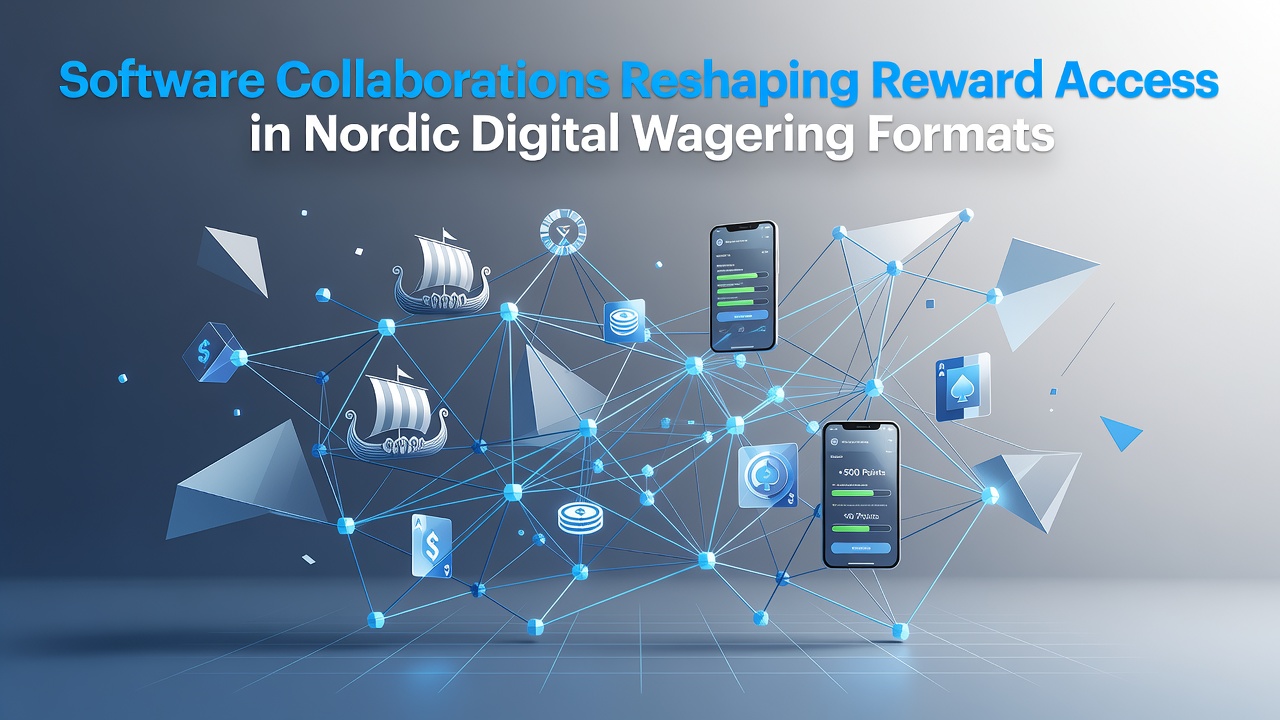
Software Collaborations Reshaping Reward Access in Nordic Digital Wagering Formats
Software collaborations have started to alter how players gain access to rewards in Nordic digital wagering environments, where partnerships between game developers, platform providers, and payment technology firms create integrated systems that link progressive jackpots with interactive table formats. These alliances focus on technical compatibility that allows rewards earned in one format to transfer seamlessly into another, and they build on existing regulatory frameworks in countries such as Sweden, Denmark, and Norway.
Technical Foundations of Recent Partnerships
Developers have combined modular APIs with real-time data synchronization tools, which enable reward ledgers to update across multiple game studios without requiring separate player accounts for each provider. Research from industry reports shows that these integrations reduce latency during bonus activation by up to 40 percent in tested environments, while maintaining compliance with local licensing rules that require transparent tracking of all transactions.
One collaboration model pairs slot software engines with live dealer platforms through shared token systems, and this setup lets accumulated points from progressive slots convert directly into table game credits during the same session. Data indicates that such connections first appeared in pilot programs during 2024 and expanded steadily through 2025 as providers refined their backend infrastructure.
Regional Implementation Across Nordic Markets
In Sweden, operators have adopted these collaborative frameworks to meet updated technical standards that took effect in early 2026, and similar patterns appear in Danish systems where mobile-first designs receive priority. Norwegian platforms, operating under different market structures, incorporate comparable software layers that emphasize secure reward distribution across devices.
November 2026 marks the scheduled rollout of additional cross-border data standards that several Nordic regulators plan to align with, and these changes are expected to accelerate existing partnerships by standardizing how reward access logs are shared between licensed entities. Observers note that companies already testing these protocols report smoother transitions when players move between slot progressions and interactive table rewards.

Payment and Reward Network Integrations
Payment processors have joined these software alliances to embed direct links between deposit methods and reward pools, which allows instant crediting of winnings or bonuses once verification completes. Figures from market analyses reveal that Nordic transaction volumes using such linked systems grew 22 percent year-over-year through the third quarter of 2026, driven largely by mobile users who switch between formats within single sessions.
These networks also support conditional reward triggers based on combined play across studios, and the underlying code handles eligibility checks automatically while logging every step for regulatory review. Experts tracking these developments point to reduced manual reconciliation tasks as one measurable outcome for operators who participate in the collaborations.
Data Patterns and User Access Trends
Analytics platforms integrated through the same partnerships provide aggregated insights into how rewards distribute across different game types, and this information helps refine access rules without altering core mechanics. Studies conducted by European research groups show that players in Nordic regions increasingly use multi-format sessions, with reward pathways that span both progressive and interactive offerings becoming more common.
Technical documentation from participating firms highlights the use of encrypted ledgers that maintain separate records for each reward type while permitting unified views for the player. This dual structure supports compliance audits while preserving the speed of cross-format transfers that users have come to expect.
Conclusion
Software collaborations continue to influence reward access structures in Nordic digital wagering by establishing shared technical standards that connect previously separate game environments. These developments rely on ongoing coordination between developers and regulators, and they produce measurable changes in how players interact with bonuses and jackpots across formats. Continued alignment around data protocols scheduled for late 2026 suggests further refinements ahead.