Developer Strategies Influencing Bonus Accessibility in Finnish Progressive and Interactive Casino Formats
Vera Patterson · Nov 6, 2026
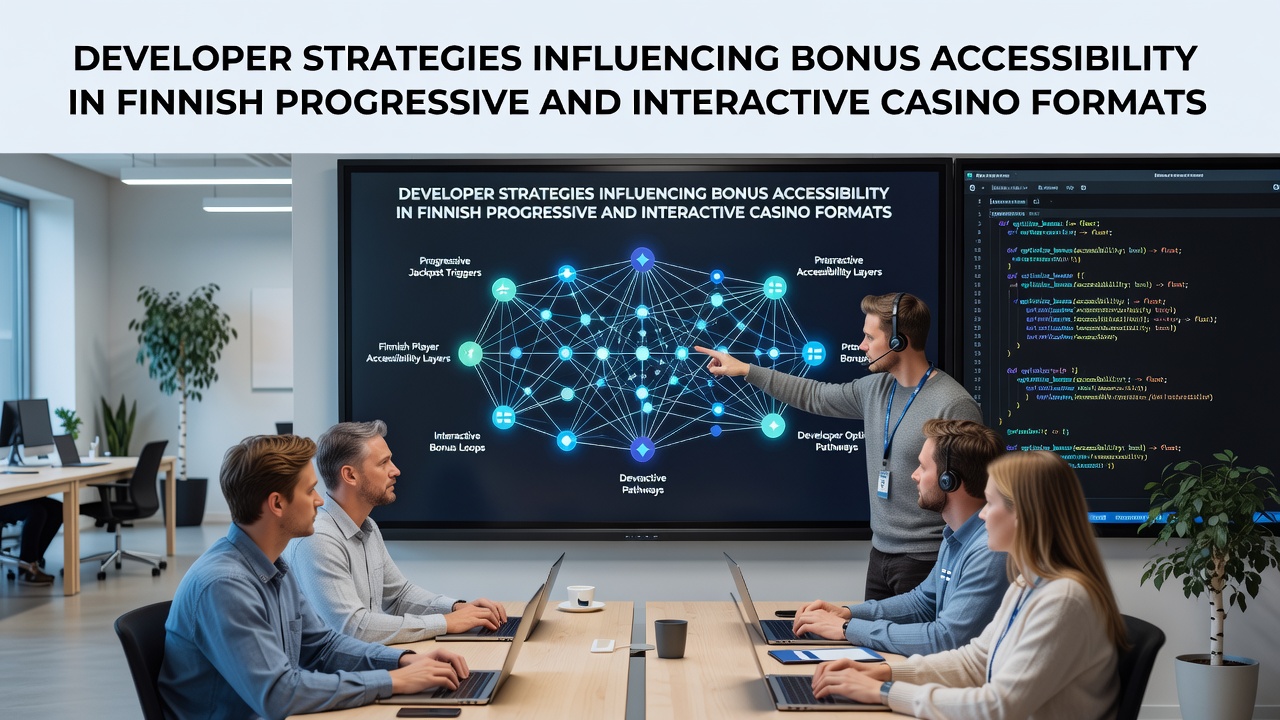
Developer Strategies Influencing Bonus Accessibility in Finnish Progressive and Interactive Casino Formats
Game developers active in the Finnish market adjust code structures and integration layers to control how bonuses activate inside progressive jackpot environments as well as live interactive table sessions, and these adjustments frequently center on trigger thresholds, contribution rates, and real-time API calls that connect slot engines to centralized bonus pools.
Progressive Jackpot Frameworks and Bonus Trigger Design
Developers build progressive systems where a percentage of each wager feeds into growing prize pools, yet they also embed conditional logic that gates bonus rounds behind specific bet sizes or session lengths, while data collected across multiple studios shows that lowering the minimum contribution percentage from 1.5 percent to 0.8 percent can increase bonus round frequency by measurable margins without altering overall return-to-player figures.
Engineers often segment player accounts by activity level so that casual users receive earlier access to smaller bonus features whereas high-volume accounts unlock layered multipliers, and this segmentation occurs through backend rules rather than front-end marketing claims, allowing operators to maintain compliance while still shaping accessibility patterns.
Interactive Live Formats and Real-Time Integration
In live dealer environments developers link table outcomes to progressive side bets through synchronized APIs that update bonus meters every few seconds, creating pathways where a blackjack hand or roulette spin can contribute toward both the main jackpot and a separate interactive bonus ladder, and these connections rely on low-latency connections that Finnish operators test extensively to avoid desync issues during peak evening hours.
Mobile Optimization and Payment-Linked Mechanics
Portable device compatibility receives priority attention because most Finnish players access these formats through smartphones, so developers embed responsive scaling for bonus animations together with touch-optimized claim buttons that reduce friction between game rounds and reward collection, while transaction logs from 2025 indicate faster bonus redemptions when payment methods integrate directly with the same studio SDKs used for game delivery.
Payment adapters now carry metadata flags that signal whether a deposit qualifies for progressive bonus matching, and studios that supply both slot and table content coordinate these flags so that a single wallet transaction can unlock rewards across formats instead of requiring separate deposits.
Regulatory Alignment and Upcoming Standards
Finnish licensing conditions require transparent reporting of bonus contribution rates, prompting developers to document every variable that affects accessibility and submit these records quarterly, and by November 2026 revised technical standards are scheduled to mandate additional logging of bonus denial events so regulators can verify that no hidden eligibility filters disadvantage certain user groups.
According to findings published by the Australian Gambling Research Centre, studios that publish contribution-rate tables in advance experience fewer compliance queries from oversight bodies, a pattern that Finnish operators have begun to replicate through voluntary disclosure portals.
Cross-Format Bonus Pooling Techniques
Some development teams create shared bonus pools that draw from both progressive slots and interactive table wagers, allowing a single meter to grow from multiple game types and thereby giving players more routes to the same reward tier, while testing conducted in controlled environments reveals that pooled systems can distribute bonus events more evenly across daily play windows compared with isolated meters.
These pooling mechanisms depend on timestamp synchronization and contribution weighting formulas that assign different values to slot spins versus table decisions, ensuring the overall prize distribution remains balanced even when one format generates higher volume.
Conclusion
Developer choices around trigger thresholds, API synchronization, mobile scaling, and pooled accounting collectively determine how readily Finnish players reach bonuses inside progressive and interactive casino products, and continued refinement of these elements will shape accessibility patterns as technical standards evolve through 2026 and beyond.