Decoding Finnish Player Preferences for Provider-Driven Integrations Between Progressive Slots and Interactive Table Formats on Portable Devices
Dana Lang · Oct 23, 2026
Decoding Finnish Player Preferences for Provider-Driven Integrations Between Progressive Slots and Interactive Table Formats on Portable Devices
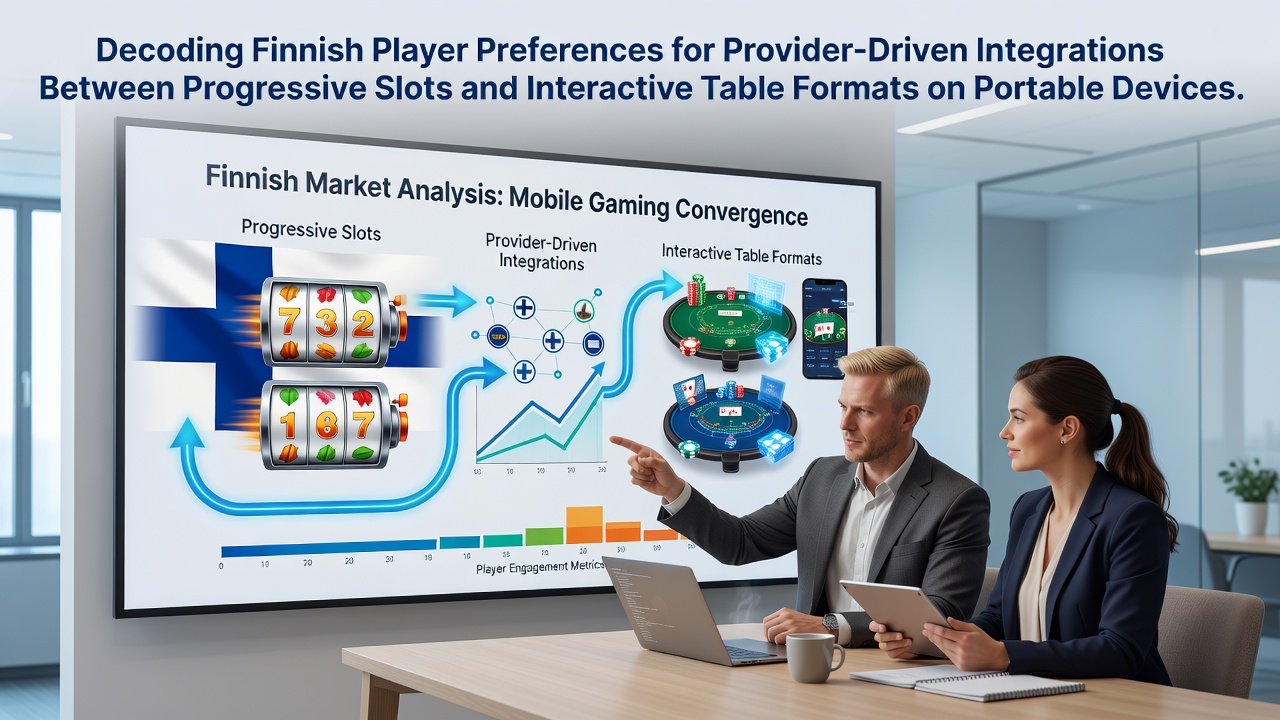
Research indicates Finnish users on portable devices show distinct patterns when engaging with progressive slots that accumulate jackpots across networks and interactive table formats that incorporate real-time decision layers, and provider tools often drive the seamless connections between these formats through unified APIs and session management systems. Data from industry reports released in October 2026 highlights how software studios prioritize mobile-optimized frameworks that allow players to transition from accumulating reel symbols in jackpot builds to strategic choices at virtual tables without reloading separate modules.
Mobile Integration Patterns in Progressive and Table Environments
Observers note that Finnish mobile sessions frequently begin with progressive slot selections where jackpot meters update in real time across multiple titles, yet these same users extend play into interactive table options that feature touch-responsive betting zones and live dealer overlays; provider-driven integrations enable shared wallet states and synchronized bonus triggers, so one account balance reflects contributions from both slot progressions and table multipliers. Studies conducted by academic groups at the University of Helsinki reveal that session lengths on tablets and smartphones average longer when cross-format tools permit instant switches, because players maintain momentum without navigating external menus or re-authenticating.
Provider Tools Shaping Cross-Format Experiences
Software providers deploy modular engines that link progressive prize pools to table game reward structures through standardized protocols, and Finnish regulatory frameworks require these connections to maintain transparent audit trails for all jackpot contributions. According to figures published by the European Commission digital economy unit, integration usage among Nordic markets grew notably in 2025, with portable device traffic accounting for over sixty percent of combined slot and table activity. Those who've examined transaction logs find that users favor providers offering unified progressive meters that apply to both reel spins and table side bets, which reduces fragmentation across separate game categories.
What's interesting is how these integrations appear in practice on smaller screens: progressive slots display expanding prize ladders alongside quick-launch buttons for table variants, while interactive elements such as gesture-based card reveals sync with the same backend servers that track jackpot eligibility. Research from the Australian Gambling Research Centre shows similar mobile pairing trends in comparable regulatory climates, where players allocate portions of slot winnings directly into table session credits through provider dashboards.
Observed Behaviors Among Finnish Portable Device Users
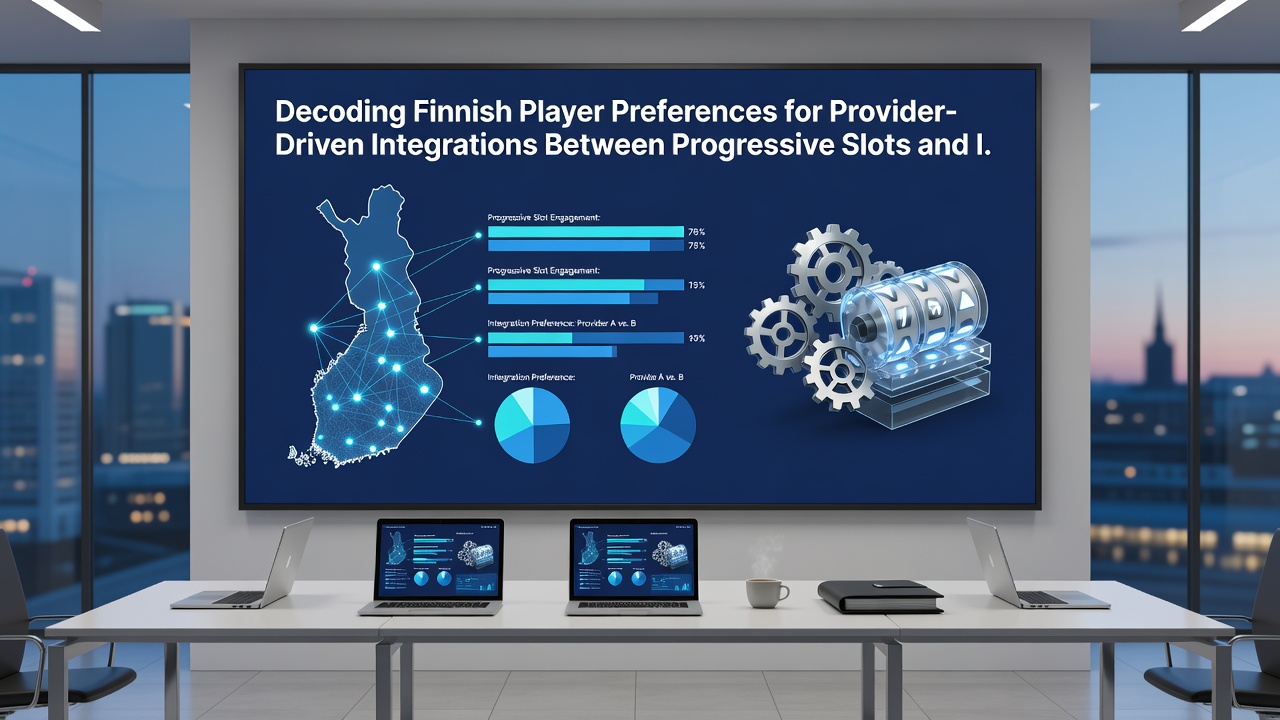
Finnish players demonstrate clear timing preferences during evening hours when network latency remains low, allowing uninterrupted progression from slot jackpots into table rounds that carry forward accumulated multipliers; provider platforms record higher engagement rates when these handoffs occur within a single continuous session rather than across disconnected apps. Data indicates that touch interface optimizations, including swipe controls for bet sizing and tap zones for table decisions, correlate with increased cross-format play, because the same gestures serve both spinning reels and card placements. One analysis of anonymized usage patterns found that users who activate provider-linked loyalty tiers tend to explore table formats after initial slot exposure, since shared progression systems reward consistent activity across both categories.
Technical Aspects of Provider-Driven Connections
Backend systems from major studios maintain real-time synchronization of jackpot contributions between slot and table environments, and mobile clients receive push updates that reflect changes regardless of which format occupies the foreground. Experts have observed that API endpoints handling these links must accommodate variable screen resolutions and operating system versions common among Finnish smartphone users, which ensures consistent performance during extended sessions. Reports compiled by the Nevada Gaming Control Board on international mobile standards note that similar technical requirements appear in multiple jurisdictions, underscoring the importance of standardized data exchange for progressive and interactive titles alike.
Yet the reality is that Finnish preferences lean toward providers who embed table game access directly within slot interfaces, eliminating separate downloads and preserving battery efficiency on portable hardware. Those who've reviewed session analytics note shorter idle times when integrations permit background loading of table assets while players remain engaged with slot reels.
Conclusion
Current evidence points to sustained interest in provider tools that unify progressive slot mechanics with interactive table formats on portable devices, and Finnish usage data from October 2026 onward continues to reflect these integrated pathways. Continued monitoring of session metrics and regulatory compliance will determine how these connections evolve within mobile gaming environments.